
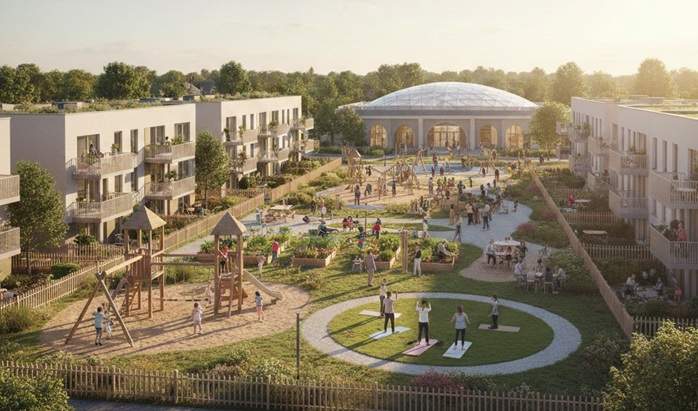
In 2026, the global real estate market continues to shift toward community-focused developments that blend lifestyle, accessibility, amenities, and sustainability — all while delivering strong investment potential. Families today seek more than just houses; they want well-designed neighborhoods with walkable parks, quality schools, safety, healthcare access, and vibrant public spaces. Savvy investors, meanwhile, are recognizing that these lifestyle features also create demand stability, higher occupancy rates, and healthy long-term capital growth.
In this post, we’ll explore some of the most exciting community-focused residential developments around the world that are ideal for families in 2026 — and explain why they’re attractive from an investor’s perspective.
1. Dubai South – A Future-Ready Family Hub
Dubai South, emerging as one of the most dynamic master communities in the UAE, exemplifies how careful urban planning can simultaneously benefit families and investors. Designed as a self-sustained city with parks, cycling paths, and family-oriented layouts, the community is conveniently positioned near Expo City and the upcoming Al Maktoum International Airport — major employment and transport nodes.
Why Families Love It -Low-density residential clusters with green buffers and play areas, Easy access to schools and healthcare services and Quiet suburban lifestyle with modern infrastructure.
Investor Benefits ✔ Affordable entry pricing: Lower purchase prices compared to central urban districts unlocks strong value for long-term buyers. ✔ Rental demand growth: Proximity to employment growth and transport supports stable rental income. ✔ Capital appreciation: As communities mature post-Expo and transport links expand, property values are expected to rise.
2. Dubai Hills Estate – Family Amenities and Lifestyle
A flagship master development in Dubai, Dubai Hills Estate combines expansive green spaces, education hubs, and world-class retail with residential living. Considered a top choice for families, the estate offers golf courses, parks, and schools on a massive scale — central to making day-to-day life convenient and engaging.
Key Family Features – Large parks and recreational areas for children and adults alike, Top educational institutions within or close to the community and Integrated retail and leisure within walking distance.
Why Investors Watch It ✔ Consistent rental yields: Family-oriented communities like Dubai Hills tend to outperform due to stable occupancy (often 7 %+ rental yield). ✔ Appreciation potential: Master communities typically show strong price growth, driven by quality-of-life demand. ✔ Long-term tenant appeal: Larger homes and greenery appeal to long-term tenants — reducing vacancies.
3. Emaar South and Other Family-Designed Suburbs
Lifestyle Perks – Well-designed civic spaces and social hubs and Balanced neighborhood planning that prioritizes walkability.
Investor Highlights ✔ Structured payment plans: Many off-plan offerings include flexible plans that ease buyer entry. ✔ Targeted rental markets: Suburban communities often attract families seeking mid- to long-term leases.
4. Palm Jebel Ali – Waterfront Living with Family Community-Focused
Part of the UAE’s next generation of waterfront developments, Palm Jebel Ali is set to deliver family-centric neighborhoods with beaches, promenades, and open-air recreation spaces. Projects like these demonstrate how lifestyle living and community connectivity are merging with real estate demand.
Why It Appeals – Waterfront promenade living enhances quality of life and family environments with outdoor activity opportunities.
Investor Case ✔ Premium appeal: Waterfront locations often command higher long-term valuations. ✔ International demand: Tourist and expatriate interest support strong rental prospects.
5. Global Examples: SOMO Village and Civita
While the UAE is a hotspot, community-focused living is a global trend. Developments like SOMO Village in California and Civita in San Diego reflect master-plan principles that integrate housing, retail, public spaces, and sustainability to enhance quality of life and investment strength.
What Makes Them Special – Mixed-use urban villages that encourage social interaction and shared experiences and Walkable design that reinforces community engagement and reduces commute stress.
Investor Learnings – ✔ Long-term urban growth: Well-planned communities near employment and transit hubs generally outperform. ✔ Social infrastructure synergy: Amenities that foster resident satisfaction also drive market demand.
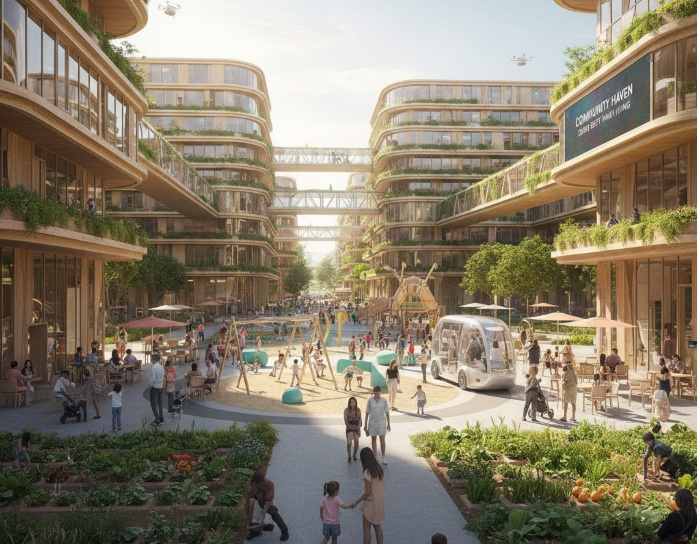
What Families Are Looking For — And Why Investors Care
Across all the highlighted communities, certain themes stand out:
Accessibility to Schools and Healthcare – Families prioritize access to quality schools and healthcare — factors that ensure long-term residency and drive stable rental demand.
Parks, Green Spaces & Walkability – Walkable neighborhoods with parks and play facilities are key for community cohesion and healthier lifestyles, increasing desirability.
Safety and Social Connection – Security, pedestrian paths, social hubs, and communal spaces deepen engagement and satisfaction — elements investors know translate to lower vacancies and higher returns.
Long-Term Capital Growth – Family communities often demonstrate steadier growth curves because demand for these neighborhoods remains relatively resilient, even when overall markets slow.
Final Thoughts for 2026 Buyers and Investors
Community-focused developments are increasingly the future of residential real estate in 2026 and beyond. They reflect shifting preferences among families — who want safe, walkable, amenity-rich environments — and investors — who seek stable income, high occupancy, and long-term value growth.
Whether you’re looking for a lifestyle-first neighborhood in Dubai South, a suburban oasis like Dubai Hills Estate, or standout global communities like SOMO Village, understanding these developments’ family appeal and investment fundamentals is key to making informed decisions in 2026.
Disclaimer:
The information provided in this blog post is for general informational purposes only and does not constitute legal, financial, or investment advice. Le Nest Properties and its website do not assume any responsibility or liability for decisions made based on this content. If you are considering investing in Dubai real estate, we strongly recommend consulting with a qualified specialist or contacting us directly for personalized guidance.


