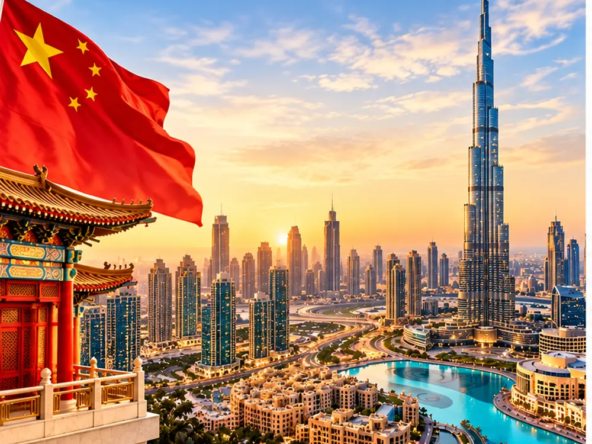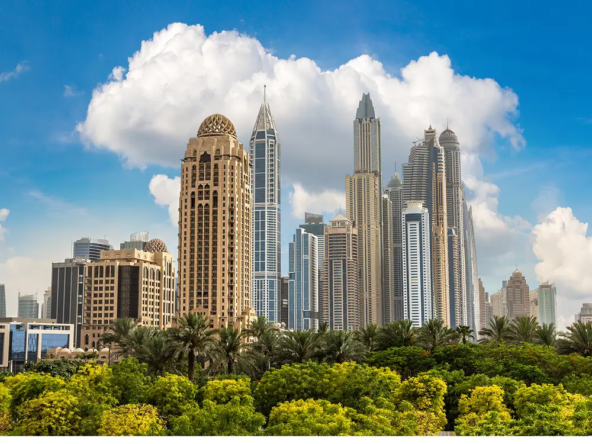
Dubai’s real estate ecosystem has evolved from a regional trading hub into one of the most resilient, liquid, and dynamic property markets globally. Driven by proactive government policies, massive capital inflows, and robust infrastructure development, the city continues to attract global expatriates, high-net-worth individuals, and institutional investors alike.
This comprehensive guide delivers an analytical deep dive into the Rent vs. Buy in Dubai dilemma, specifically focusing on the massive upside for real estate investors.
The Current State of the Dubai Property Market
Entering 2026, Dubai’s real estate market remains characterized by steady capital appreciation and unprecedented demand across both prime residential communities and secondary markets.
Rents across prominent areas like Dubai Marina, Downtown Dubai, Jumeirah Village Circle (JVC), and Dubai Hills Estate have experienced multi-year compounding increases. This upward trajectory in rental costs has prompted many long-term residents to re-evaluate their financial strategies, transitioning from tenants to property owners to hedge against inflation and secure fixed housing costs.
Rent vs Buy in Dubai: A Comparative Analysis
To truly understand the financial dynamics at play, we must weigh the traditional trade-offs of renting versus
buying within the specific context of the UAE’s unique economic framework.
Renting in Dubai: Flexibility at a Premium Price
Renting provides unmatched operational flexibility. It allows residents to easily downsize, upscale, or relocate to different communities as their lifestyle or employment parameters shift without dealing with the friction of asset liquidation.
Renting in Dubai comes with significant financial trade-offs:
Zero Equity Accumulation:
Every dirham paid in rent is a sunk cost that yields no long-term financial return.
Exposure to Rental Inflation:
Despite the regulatory protections offered by the Real Estate Regulatory Agency (RERA) rent calculator, tenants are ultimately exposed to macro rental market increases over time.
Upfront Liquidity Pressures:
While quarterly or multi-cheque payment options exist, many landlords still demand single or bi-annual cheque payments, requiring substantial immediate cash outflows.
Buying in Dubai: Building Long-Term Wealth
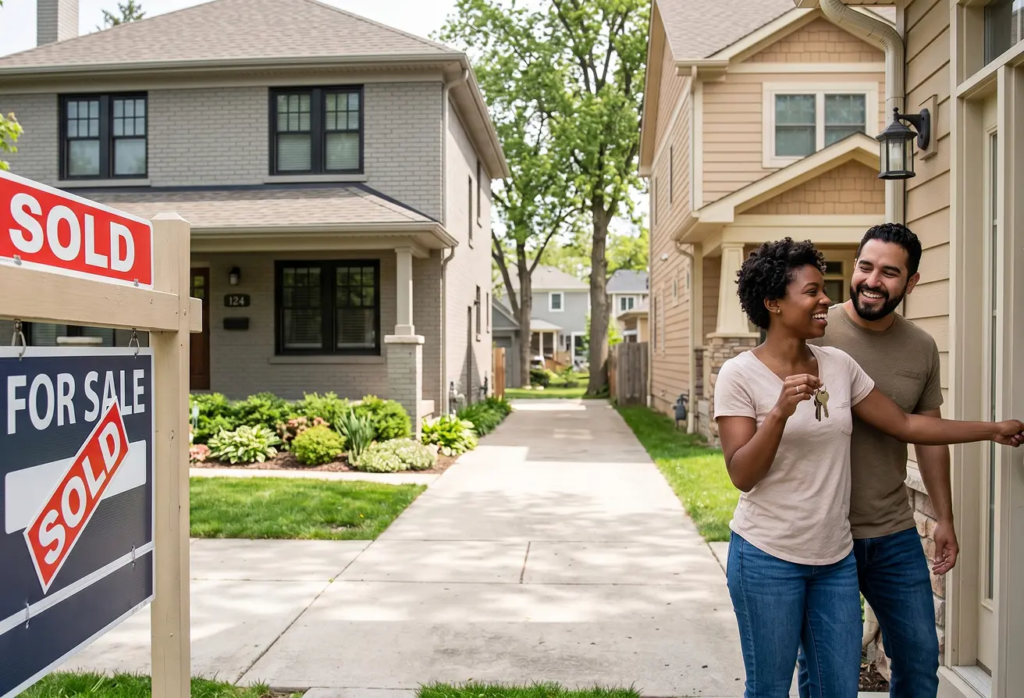
Purchasing property in Dubai transforms a monthly recurring expense into an equity-building wealth generator. Property ownership gives individuals total control over their living space, eliminates the risk of landlord eviction notices, and locks in long-term housing stability.
The 5-Year Rule of Thumb:
A standard financial benchmark in Dubai real estate is the 5-year residency horizon. If an expatriate plans to reside in the city for five years or more, the accumulated cost of renting almost universally exceeds the upfront transactional costs of buying (such as the 4% Dubai Land Department fee, agent commissions, and mortgage registration fees).
Unlocking the Benefits for Savvy Investors
While the rent-versus-buy decision is often viewed through the lens of an end-user, the investment incentives embedded within Dubai’s real estate ecosystem are unparalleled on the global stage.
Investors stand to gain significantly from several structural advantages:
1. High Rental Yields Relative to Global Hubs
Dubai consistently delivers gross rental yields in secondary communities (like JVC, Arjan, and Silicon Oasis) and in prime locations (like Dubai Marina and Downtown Dubai).
2. Exceptional Tax Efficiencies
One of the ultimate catalysts for real estate investment in Dubai is the tax-free framework. There is no personal income tax on rental earnings, no capital gains tax upon property liquidation, and no corporate tax on individual real estate portfolios. This maximizes the net return on investment (ROI) and allows for the frictionless compounding of wealth.
3. The Golden Visa and Long-Term Residency
The UAE’s Golden Visa program has fundamentally altered the real estate dynamics. By investing a minimum of AED 2 million in property, whether fully paid, mortgaged via a local bank, or off-plan from an approved developer, investors qualify for a 10-year renewable residency visa. This benefit extends to spouses, children, and domestic staff, providing unprecedented geopolitical security and establishing a structural link between property investment and long-term residency rights.
4. Currency Stability and Inflation Hedging
For international investors, purchasing real estate in Dubai serves as an excellent currency hedge, preserving wealth in a stable, dollar-denominated asset class while insulating capital from volatile home-currency depreciations.
Conclusion:
The choice between renting and buying in Dubai ultimately resolves into a question of strategic horizon. For temporary visitors or individuals uncertain of their professional trajectory beyond 12 to 24 months, renting provides necessary agility. However, for long-term residents, high-net-worth individuals, and yield-seeking global investors, buying property in Dubai stands out as the superior financial path.
With rental yields outperforming international benchmarks, an unmatched tax-free environment, stable currency pegging, and a clear path to long-term residency via the Golden Visa, purchasing real estate in Dubai is not just an alternative to renting, it is a cornerstone for robust, cross-border wealth generation.
Disclaimer:
The information provided in this blog post is for general informational purposes only and does not constitute legal, financial, or investment advice. Le Nest Properties and its website do not assume any responsibility or liability for decisions made based on this content. If you are considering investing in Dubai real estate, we strongly recommend consulting with a qualified specialist or contacting us directly for personalized guidance.