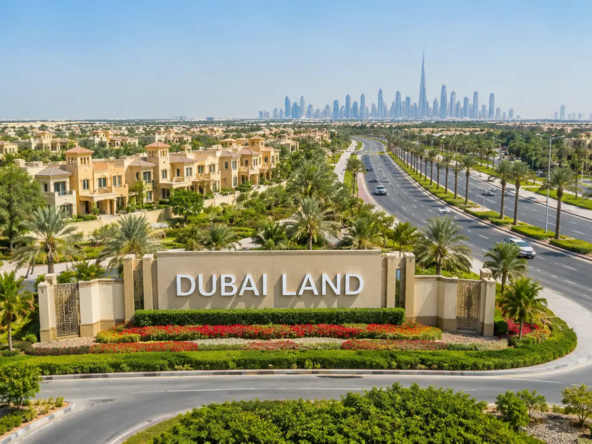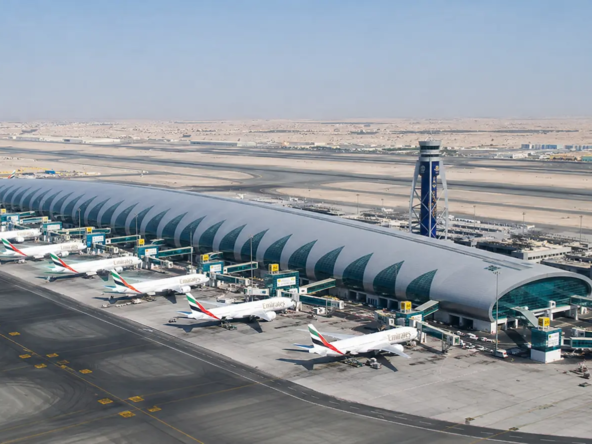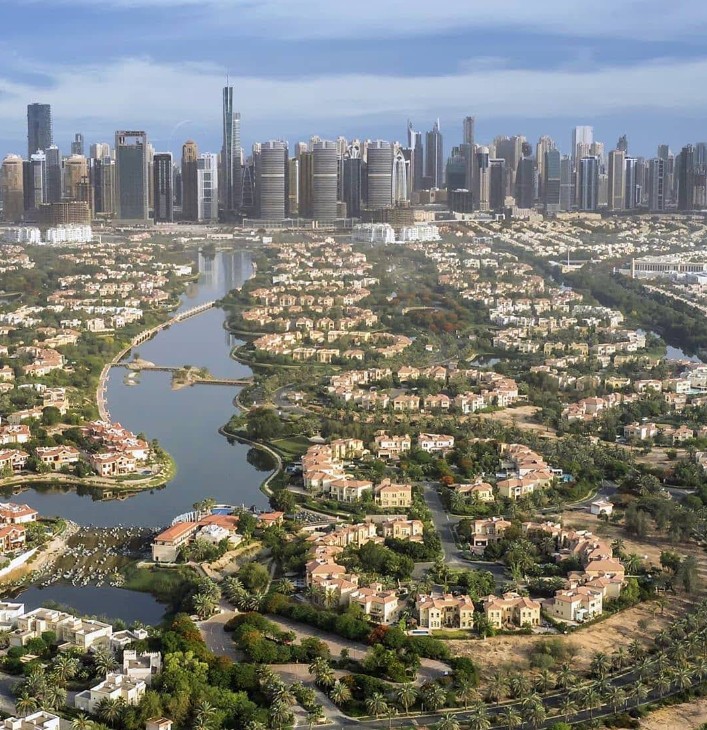
Few communities in Dubai balance tranquility, privacy, and accessibility as elegantly as Jumeirah Islands. Master-developed by Nakheel, this gated, lake-dotted neighborhood sits just inland from Dubai Marina and JLT, with effortless access to Sheikh Zayed Road between Interchanges 5 and 6—placing resident’s minutes from key business districts and the city’s coastline.
What Makes Jumeirah Islands Unique?
- Island-style masterplan: The community is arranged in 46 residential clusters set on man-made lakes. Each cluster typically comprises 16 villas, creating a low-density feel that’s rare in central Dubai. The wider masterplan spans around 736 villas, plus a townhouse and apartment component in designated enclaves.
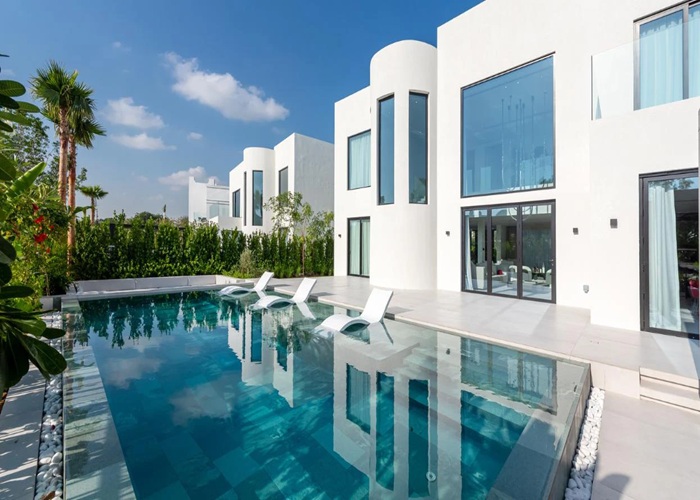
- Architectural variety: Villas showcase Mediterranean, Islamic, and European inspirations with generous plots and landscaped gardens—ideal for end-users seeking privacy with easy city connectivity.
- Lifestyle anchors: The Jumeirah Islands Clubhouse (upgraded and reopened in 2021) and the Jumeirah Islands Pavilion community center deliver dining, fitness, retail, and everyday convenience for residents.
- Community scale: Pavilion facilities are designed to serve 8,000 residents, underscoring the maturity of services in a villa-led community.
Location Advantage
From a livability and investment perspective, proximity drives value. Jumeirah Islands sits inland from Dubai Marina and JLT and connects quickly to wider Dubai via Sheikh Zayed Road (E11). For investors, this means deep rental demand from professionals working in Dubai Marina, Media City, Internet City, JLT, and JAFZA—tenants who often prioritize villa living with short commute times.
Property Types & Stock Profile
- Four- and five-bedroom villas dominate the stock—favored by families and C-suite tenants.
- Townhouses and apartments exist in limited pockets (e.g., the Townhouse complex and Serenia-style apartment offerings cited by brokers), but the community’s identity is firmly villa-centric—an important point when benchmarking yields versus apartment-heavy districts.
Amenities & Everyday Convenience
- Clubhouse: Contemporary gym, pool, and F&B concepts—an important lifestyle differentiator versus more utilitarian villa zones.
- Pavilion (retail center): Supermarket, cafés, restaurants, and service retailers—reducing daily car trips and supporting tenant retention.
Market Backdrop: Rents, Yields & Price Direction (2025)
Dubai’s housing market remains robust in 2025, supported by population growth, corporate inflows, and tourism. Citywide indicators are useful for framing expectations:
- Gross rental yields (Dubai overall): Research aggregations show 6.8% average rental yields in Dubai as of May 2025 (apartments skew higher, villas lower), while broader UAE measures peg yields circa 4.9–5.0% on a nationwide basis. In Dubai specifically, apartments can exceed 7% while villas average around 5%—a pattern consistent with Jumeirah Islands’ villa-led stock.
Investor takeaway: Expect lower headline yields than apartment districts but greater capital preservation and premium tenant profiles. Luxury villa sub-markets like Jumeirah Islands typically see resilient occupancy in upcycles and relatively shallower volatility versus speculative apartment zones.
Why Jumeirah Islands Works for Investors
Low-density, high-privacy product (scarcity value).
With only 736 villas across 46 clusters, supply is naturally constrained. Scarcity supports pricing power over time, particularly for upgraded or lake-view plots.
Location liquidity.
The community’s central macro-location near Dubai Marina/JLT gives investors a steady pipeline of executive tenants and end-users—key for resale liquidity and shorter days on market.
Mature amenities drive tenant retention.
The Clubhouse and Pavilion elevate lifestyle convenience—an intangible that keeps family tenants long-term and reduces vacancy.
Golden Visa qualifier potential.
A property purchase of AED 2 million or above may qualify investors for a renewable 10-year UAE Golden Visa, with spousal/children sponsorship benefits—highly attractive for global families relocating to Dubai. (Requirements are subject to eligibility checks and documentary proof of purchase or paid-up equity for mortgaged assets.)
Upgrade & value-add opportunities.
Many homes are owner-occupied and periodically renovated. Strategic upgrades (kitchens, landscaping, pools, solar, smart home systems) can unlock rent premiums and resale uplift versus original-spec properties—a common tactic in villa communities.
Plot sizes & lake views.
Larger plots with direct water aspects, cul-de-sacs, or privacy buffers tend to command outsized premiums—ideal for investors seeking long-term appreciation drivers.
What Tenants Want in Jumeirah Islands (And How to Capture It)
- Turn-key finishes & landscaping: Modern kitchens, premium flooring, shaded parking, and mature greenery.
- Functional outdoor zones: Shaded seating, BBQ, and pool safety features for family tenants.
- Energy efficiency: Smart thermostats, pool heat pumps, and efficient irrigation reduce DEWA bills—valuable for retention.
- Proximity to Pavilion & Clubhouse: Walkability boosts lifestyle appeal for families with school-age children.
Due Diligence Checklist (Investor Edition)
- Title & cluster verification: Confirm cluster, plot size, and any easements or community modifications via DLD (Dubai REST app) and trustee offices.
- Service charges & community rules: Validate annual costs and any upgrade guidelines with the master developer/owners’ association.
- Comparable leases/sales: Use recent Jumeirah Islands transactions—especially like-for-like plots—to avoid overpaying for cosmetic upgrades.
- Structural & MEP survey: Villas age differently; commission full inspections including waterproofing, HVAC, and pool plant.
- Holiday home licensing (if considering short-lets): Not typical for this family-oriented community, but if relevant, note that short-term rentals require licensing. Consider long-term tenancies for stability.
Financing & Holding Strategy
- LTV expectations: Dubai banks commonly finance residents up to 80% LTV on first purchases and 50–60% for non-residents; terms vary by profile and asset. Conservative leverage is recommended for luxury villas.
- Refinance windows: If you acquire at a higher rate, plan a refinance review at 18–24 months.
- Ownership structure: Individual ownership is standard; corporate SPVs (UAE-registered) are possible with professional advice on costs and benefits.
Who Should Buy in Jumeirah Islands?
- Long-horizon investors prioritizing capital stability and tenant caliber over top-quartile yields.
- End-users planning 5–10+ year holds who value lake-front serenity without sacrificing city access.
- Global families seeking Golden Visa residency via property at AED 2M+, with a preference for established villa neighborhoods.
Outlook: 2025–2027
With Dubai’s macro drivers intact—population growth, corporate relocations, tourism strength, and infrastructure momentum—luxury villa communities are positioned for continued end-user demand. Expect steady rental demand from family tenants and a measured appreciation bias for well-located, upgraded villas within Jumeirah Islands, even as the broader market normalizes from the post-pandemic surge. Citywide research suggests apartment yields will remain higher, but villa values in prime, low-density communities should retain their capital premium in the medium term.
Disclaimer:
The information provided in this blog post is for general informational purposes only and does not constitute legal, financial, or investment advice. Le Nest Properties and its website do not assume any responsibility or liability for decisions made based on this content. If you are considering investing in Dubai real estate, we strongly recommend consulting with a qualified specialist or contacting us directly for personalized guidance.