If you want to understand where a city is going, don’t look at where the skyline is already finished look at where the heavy machinery is heading.
In Dubai, that machinery is moving south.
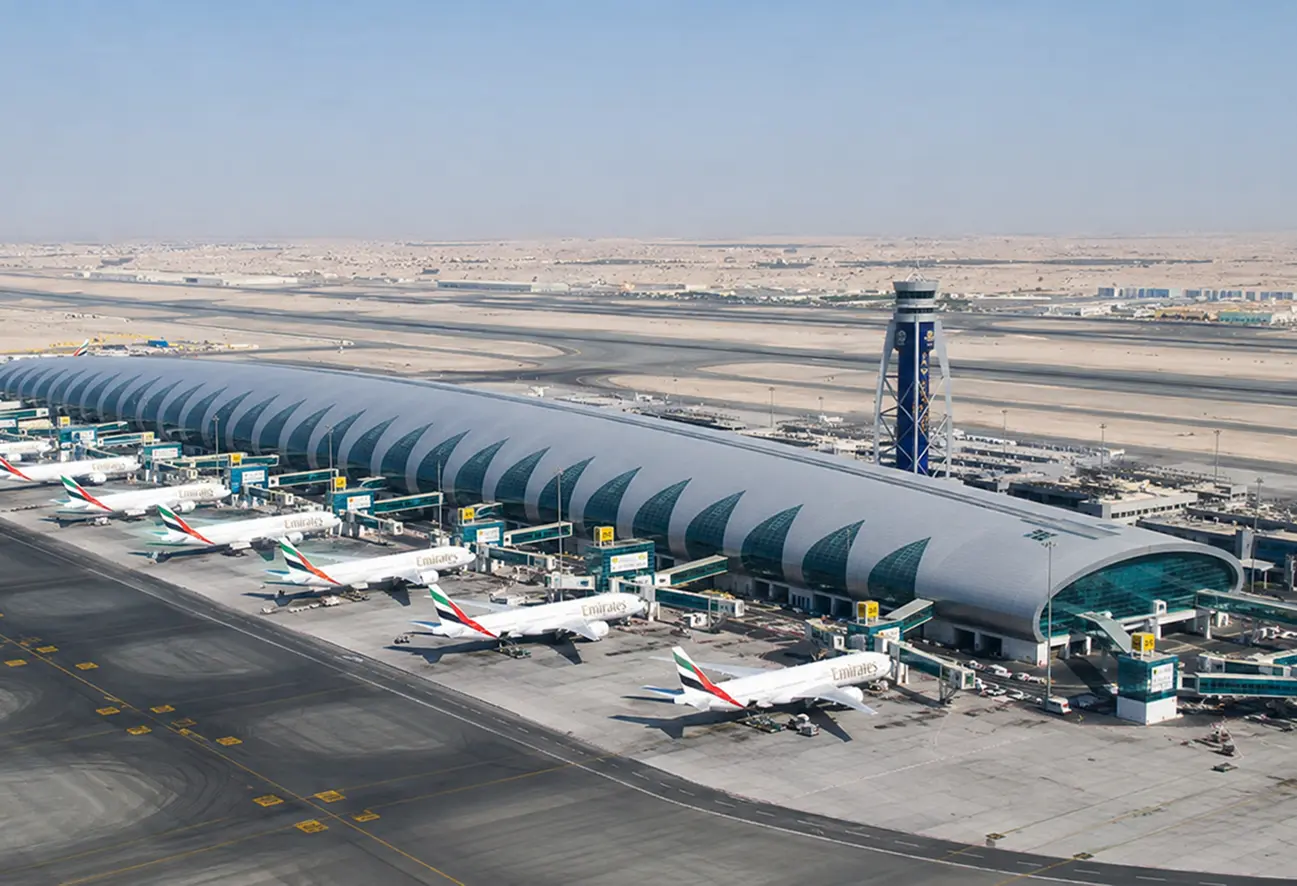
While landmark areas like Downtown, Dubai Marina, and Palm Jumeirah will always hold their prestige, a quiet shift is happening. The city’s center of gravity is extending outward, pulled by a wave of multi-billion-dollar infrastructure projects centered around Al Maktoum International Airport, new transit networks, and master-planned green communities.
For buyers, tenants, and investors, the lesson is simple: Follow the runway. The neighborhoods built along today’s major infrastructure projects are fast becoming tomorrow’s premier lifestyle and commercial hubs.
The Core Shift: Dubai isn’t just building taller; it’s building wider and smarter. Strategic expansions like the Dubai Economic Agenda (D33) and 2040 Urban Master Plan are intentionally spreading economic activity, turning once-distant communities into vibrant, self-contained cities.
1. Why Infrastructure Is the Real Wealth Engine
It’s an urban planning truth as old as real estate itself: Connectivity creates value.
When major transit upgrades happen whether it’s highway expansions, the Dubai Metro Blue Line, or a world-scale airport, they pull entire economic ecosystems along with them:
- Job Creation: Corporate headquarters, logistics firms, and tech hubs set up shop near transit centers, bringing thousands of professionals with them.
- Housing Demand: Employees want shorter commutes, creating organic, long-term demand for homes, schools, and local retail.
- Resilience: Properties anchored by critical public transit hold their value better during market shifts and enjoy lower vacancy rates.
Instead of buying into fully mature markets where capital appreciation has peaked, investing early along these new transit corridors lets you capture value while the community grows around you.
2. The Southbound Hotspots You Need to Know
The expansion south isn’t a single neighborhood, it’s a collection of distinct, highly focused districts designed for modern living.
Dubai South: The Master-Planned Engine
Designed as a “15-minute city,” Dubai South combines residential neighborhoods, commercial parks, and logistics zones into one connected hub.
- The Draw: Accessible entry prices compared to central Dubai, offering incredible runway for price appreciation as the district fills out.
Expo City Dubai: The Eco-Tech Hub
Evolving from the legacy of Expo 2020, this walkable, pedestrian-first district is now home to global tech firms, research centers, and smart homes.
- The Draw: High appeal for tech professionals, expats, and families who prioritize sustainability, parks, and modern infrastructure.
Emaar South: Golf-Course Living Meets Convenience
A neighborhood built around an 18-hole championship golf course, offering townhouses, villas, and apartments tucked away from the city hustle.
- The Draw: Ideal for families wanting suburban green space without losing quick access to major travel routes.
The Pulse & Dubai Investment Park (DIP)
Established, high-density hubs anchored by commercial and industrial activity.
The Draw: Strong, consistent tenant demand that keeps rental occupancy high and yields stable year-round
3. Emerging vs. Established: A Quick Comparison
Understanding where to allocate your money comes down to what you want your investment to achieve.
| Feature | Established Districts (Downtown / Marina) | Emerging South Corridor (Dubai South / Expo) |
| Entry Price | High (Premium pricing per sq. ft.) | Accessible (Lower capital requirement) |
| Primary Driver | Luxury tourism & high-net-worth lifestyle | Population growth & infrastructure expansion |
| Yield Strategy | Premium short-term / holiday rentals | Stable, long-term residential leases |
| Growth Potential | Steady, income-focused | High capital appreciation upside |

4. Sustainability: The New Standard, not a Trend
Today’s residents aren’t just looking for a roof over their heads, they want smart homes, low utility bills, and green surroundings.
Developers across Dubai’s expanding southern district are building with this in mind:
- Integrated EV charging infrastructure and solar-ready roofs.
- Walkable community centers with dedicated bike paths and park networks.
- Energy-efficient building designs that keep cooling costs down.
Properties built with sustainable standards hold their appeal longer, attracting quality tenants who care about modern, low-impact living.
Navigating the Shift: How to Make Your Move
The southward shift isn’t about guessing what might happen. It’s about responding to where public investment is actively flowing. But even in a growing market, success relies on getting the details right: choosing developer track records, evaluating delivery timelines, and matching property types to target tenant profiles.
Whether you are looking to secure your first property, upgrade your family home, or build a resilient rental portfolio, having ground-level market insight ensures every decision aligns with your broader financial goals.
Dubai’s next skyline is being mapped right now. The real question is: where will your portfolio be as it grows?
Disclaimer:
The information provided in this blog post is for general informational purposes only and does not constitute legal, financial, or investment advice. Le Nest Properties and its website do not assume any responsibility or liability for decisions made based on this content. If you are considering investing in Dubai real estate, we strongly recommend consulting with a qualified specialist or contacting us directly for personalized guidance.