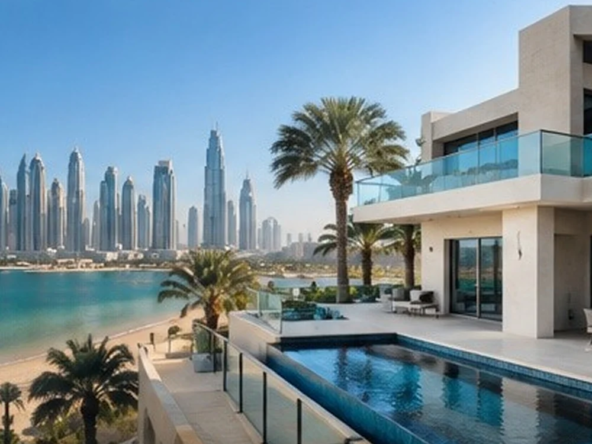
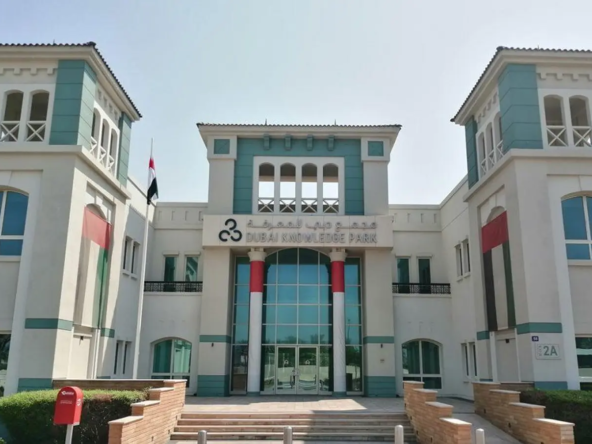
Dubai’s real estate market continues to shine as one of the world’s most dynamic and investment-friendly ecosystems. With strong economic fundamentals, streamlined property ownership for non-nationals, and visionary infrastructure projects underway, 2026 is shaping up to be a landmark year for growth in select Dubai suburbs.
In this comprehensive guide, we showcase emerging suburbs poised to boom in 2026 and explore the investment benefits that make them attractive for both capital appreciation and attractive rental yields. Whether you’re a seasoned investor or exploring Dubai property for the first time, these insights will help you position your portfolio for success.
Why Dubai Real Estate Still Tops Global Investment Lists
Before we dive into specific areas, it’s important to understand the backdrop that makes Dubai real estate so compelling:
1. Strategic Infrastructure Led Growth – Dubai’s ongoing development push — including metro expansions, airport corridors, and mixed-use districts — directly boosts property demand and values in surrounding suburbs as connectivity improves.
2. Strong Foreign Investor Appeal – Dubai’s freehold property laws, investor-friendly tax environment (no income tax), and residency incentives continue to attract global capital.
3. Market Innovation and Liquidity – With initiatives like Dubai’s 2026 resale reforms aimed at expanding secondary market participation, buying and selling property has become more transparent and liquid for investors.
Top Emerging Suburbs in Dubai for 2026
1. Dubai South
Once emerging, Dubai South is now on the cusp of mainstream recognition — and for good reason. Located near Al Maktoum International Airport and encompassing Expo City’s legacy tech and lifestyle zones, this sprawling district has become one of the most economically strategic and affordable places to invest in Dubai.
Why Dubai South Will Boom
- Airport-driven growth: Proximity to Al Maktoum Airport continues to attract global businesses and residents.
- Expo legacy: Ongoing expansion around Expo City ensures long-term commercial and residential demand.
- Affordable entry points: Prices start lower than many central districts, offering strong upside potential as infrastructure matures.
Investor Benefits
- High rental demand from professionals and airport-linked workers.
- Capital growth potential as connectivity improves and new amenities launch.
- Ideal for entry-level investors thanks to more accessible price bands.
2. Dubai Creek Harbour
Often called Dubai’s “next downtown,” Dubai Creek Harbour blends waterfront living with urban convenience and is rapidly becoming one of the most exciting investment stories for 2026.
Why It’s Emerging
- Waterfront appeal: Limited waterfront inventory helps sustain demand and pricing.
- Mixed-use ecosystem: A mix of retail, parks, luxury residences, and cultural attractions draws long-term residents and visitors alike.
- Upcoming transport infrastructure: Planned metro lines and transit links increase accessibility.
Investor Benefits
- Balance of lifestyle and investment: Waterfront living consistently attracts both premium renters and global buyers.
- Capital appreciation: Analysts forecast notable value growth through 2026 and beyond.
- Strong rental yields: Demand from professionals and families yields consistent cash flow.
3. Tilal Al Ghaf
Tilal Al Ghaf positions itself as a lifestyle-driven community with a focus on sustainable living, lagoon features, and family-centric design — a factor drawing both owner-occupiers and investors seeking quality tenants.
Why It’s Attractive
- Eco-friendly master planning, including water features and green spaces, enhances living quality.
- Amenities for families, including schools, parks, and walking trails, drive long-term occupancy.
Investor Benefits
- Strong rental demand from families seeking lifestyle communities.
- Capital growth as sustainable and park-focused neighborhoods gain demand.
- Premium positioning relative to mid-market offerings.
4. Jumeirah Village Circle (JVC)
JVC continues to be one of the most popular mid-market investment zones in Dubai thanks to ongoing development, competitive pricing, and a balanced mix of residential types.
Why It’s Growing
- Affordability vs Amenities: JVC’s entry prices remain competitive while offering substantial lifestyle and community services.
- Rental yield strength: Mid-range properties often generate attractive rental returns due to strong demand from expatriate tenants.
Investor Benefits
- Consistent rental income: Especially for apartments and townhouses.
Balanced capital growth: Steady demand supports gradual price upside.
5. Al Furjan
Al Furjan is emerging as a family-oriented and well-connected suburb, bridging affordability and lifestyle proximity to major zones like Dubai Marina and Ibn Battuta Mall.
Why It’s on the Rise
- Metro connectivity via Red Line boosts commuter friendliness.
- Growing community demand driven by schools, parks, and suburban living.
Investor Benefits
- Family rental appeal: Townhouses in particular attract long-term tenants.
- Growth as connectivity improves: Metro and road access tighten links to broad employment hubs.
6. The Valley and Expo City
Emerging master-planned neighborhoods like The Valley and Expo City are gaining interest for their balance of space, lifestyle, and future potential.
Investor Benefits
- Community lifestyle appeal: Parks, open spaces, and family-oriented planning increase demand from residents seeking suburban quality.
Future growth tailwinds: As infrastructure and amenities complete, demand typically picks up momentum.
Key Market Drivers for 2026 Growth
Several common themes underpin Dubai’s emerging suburb success:
1. Infrastructure and Connectivity – Metro lines, highway networks, and transit nodes underpin increased accessibility — driving both residential and commercial demand.
2. Lifestyle and Amenities – Areas with schools, parks, health facilities, and leisure options naturally attract longer-term tenants and owners alike.
3. Strategic Master Planning – Communities designed with sustainability and space (e.g., waterfront parks or resort-style living) tend to outperform homogenous developments.
4. Diversification Beyond Core CBD – While Downtown Dubai remains an iconic address, investors increasingly look at suburbs that combine value entry points with quality lifestyle attributes.

Investing in 2026 — Why Now Matters
Investors who position themselves ahead of full market maturity often enjoy several advantages:
Capital Growth Before Mainstream Recognition
Buying in 2025–early 2026 allows capturing price growth as infrastructure becomes fully operational.
Strong Rental Yields
Mid-tier and lifestyle areas frequently generate reliable rental returns due to sustained resident demand.
Portfolio Diversification
Adding emerging suburbs spreads risk across both lifestyle and economic growth segments.
Conclusion — Capturing the Dubai 2026 Boom
Dubai’s real estate market remains one of the most vibrant and forward-thinking in the world. Emerging suburbs such as Dubai South, Dubai Creek Harbour, Tilal Al Ghaf, JVC, Al Furjan, and new master-planned communities offer compelling opportunities for property investors focused on capital appreciation and rental income.
With major infrastructure enhancements, strong foreign investment flows, and lifestyle-driven demand shaping the landscape, 2026 could be a defining year for savvy investors positioning themselves in the right locations at the right time.
Disclaimer:
The information provided in this blog post is for general informational purposes only and does not constitute legal, financial, or investment advice. Le Nest Properties and its website do not assume any responsibility or liability for decisions made based on this content. If you are considering investing in Dubai real estate, we strongly recommend consulting with a qualified specialist or contacting us directly for personalized guidance.