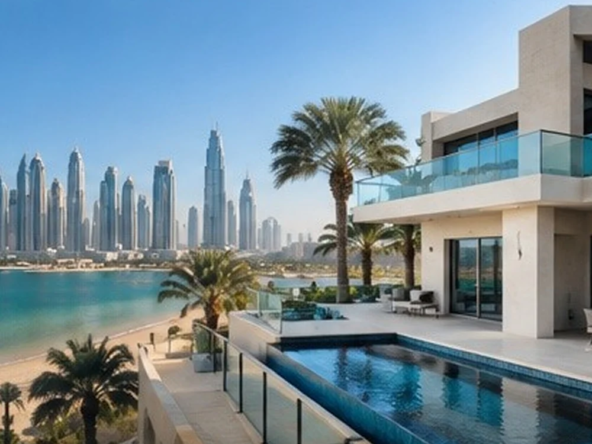
The real estate market has always been shaped by how people live, work, and interact with their surroundings. As we move closer to 2026, lifestyle shifts accelerated by technology, remote work, wellness priorities, sustainability, and changing demographics are redefining global property demand. For real estate in 2026 investors, understanding these evolving lifestyle patterns is no longer optional—it is essential for long-term profitability and portfolio resilience.
This article explores the most significant lifestyle changes expected to influence real estate in 2026 and, more importantly, highlights how investors can benefit from these transformations.
1. The Rise of Flexible Living and Working
One of the most profound lifestyle shifts influencing real estate is the normalization of remote and hybrid work. By 2026, flexibility will no longer be a perk—it will be a standard expectation.
Impact on Real Estate
- Increased demand for homes with dedicated workspaces
- Preference for larger layouts, balconies, and multifunctional rooms
- Reduced dependence on central business districts
- Growing interest in suburban and secondary urban locations
Investor Benefits
For investors, this trend opens doors to:
- Higher rental demand for spacious apartments and townhouses
- Premium pricing for properties offering home-office layouts
- Strong yields in emerging residential areas previously overlooked
Properties that adapt to flexible work lifestyles are expected to enjoy lower vacancy rates and higher tenant retention.
2. Wellness-Centric Living Becomes a Priority
Health and wellness are no longer luxury considerations. By 2026, residents will actively choose homes that support mental, physical, and emotional well-being.
Impact on Real Estate
- Demand for natural light, ventilation, and green spaces
- Growth of wellness-focused communities
- Increased value placed on walkability and outdoor amenities
- Integration of fitness, yoga, and relaxation areas within residential developments
Investor Benefits
Wellness-driven properties offer:
- Strong appeal to long-term tenants and families
- Higher resale value due to lifestyle differentiation
- Increased attractiveness to premium renters
Investors focusing on wellness-oriented developments can capitalize on rising consumer willingness to pay more for healthier living environments.
3. Sustainability and Eco-Conscious Housing
Sustainability is no longer a trend—it is an expectation. Environmental awareness and rising utility costs will drive buyers and tenants toward energy-efficient homes.
Impact on Real Estate
- Increased adoption of green building standards
- Higher demand for solar-ready and energy-efficient homes
- Preference for sustainable construction materials
- Government incentives supporting eco-friendly developments
Investor Benefits
Sustainable properties provide:
- Lower operational and maintenance costs
- Higher long-term asset appreciation
- Stronger appeal to environmentally conscious tenants
- Protection against future regulatory risks
Investors who prioritize eco-friendly real estate position themselves ahead of regulatory changes and shifting buyer expectations.
4. Smart Homes and Technology Integration
By 2026, smart technology will be deeply embedded in everyday living. From security to energy management, technology will shape how residents interact with their homes.
Impact on Real Estate
- Smart security systems becoming standard
- Automated lighting, climate control, and appliances
- Digital access management and contactless entry
- Tech-enabled property management solutions
Investor Benefits
Technology-enhanced properties:
- Command higher rents compared to traditional units
- Reduce management inefficiencies
- Appeal strongly to younger, tech-savvy tenants
- Increase operational transparency and control
Smart homes are no longer niche investments—they are fast becoming future-proof assets.
5. Community-Oriented and Mixed-Use Developments
Lifestyle shifts in 2026 will emphasize convenience, connectivity, and community living. Residents increasingly prefer environments where work, leisure, retail, and social interaction coexist.
Impact on Real Estate
- Growth of mixed-use developments
- Demand for walkable neighborhoods
- Integration of retail, dining, and leisure spaces within residential zones
- Increased focus on social interaction and shared amenities
Investor Benefits
Mixed-use and community-driven projects offer:
- Multiple income streams (residential + commercial)
- Reduced risk due to diversified tenant bases
- Strong capital appreciation in prime locations
- Consistent footfall and rental demand
These developments are especially attractive for investors seeking stable, long-term returns.
6. Changing Demographics and Housing Preferences
Demographic shifts will play a critical role in shaping real estate demand by 2026. Millennials, Gen Z, and aging populations each bring distinct housing needs.
Impact on Real Estate
- Millennials prioritizing lifestyle and flexibility over size
- Gen Z favoring affordability, connectivity, and sustainability
- Aging populations seeking accessible, low-maintenance homes
Investor Benefits
Understanding demographic demand allows investors to:
- Target the right property type for the right audience
- Develop diversified portfolios across age segments
- Maximize occupancy rates and rental consistency
Properties aligned with demographic needs will outperform generic offerings.

7. Rental Market Evolution and Experience-Based Living
Renting will continue to grow as a preferred option due to lifestyle flexibility and economic factors. By 2026, renters will expect more than just a place to live—they will seek experiences.
Impact on Real Estate
- Growth of professionally managed rental communities
- Demand for fully furnished and serviced residences
- Focus on lifestyle amenities such as co-working spaces and lounges
- Shorter leasing cycles with premium pricing
Investor Benefits
Experience-driven rentals deliver:
- Higher rental yields
- Increased tenant satisfaction and retention
- Opportunities for short-term and mid-term leasing models
- Greater adaptability to market fluctuations
For investors, rental properties designed around lifestyle experiences represent a high-growth segment.
8. Urban Decentralization and Emerging Locations
As lifestyles shift toward flexibility, emerging neighborhoods and secondary cities will gain traction.
Impact on Real Estate
- Reduced pressure on traditional city centers
- Growth of infrastructure in new areas
- Rising demand for lifestyle-oriented master communities
- Increased affordability in developing zones
Investor Benefits
Early investment in emerging locations offers:
- Lower entry prices
- Strong appreciation potential
- High future demand driven by infrastructure expansion
- Competitive rental yields
Strategic location selection will be one of the most powerful drivers of investor success in 2026.
Conclusion: Why Lifestyle Shifts Matter for Investors
Lifestyle shifts are reshaping real estate at every level—from design and location to amenities and technology. By 2026, properties that fail to align with these evolving expectations risk becoming obsolete.
For investors, this transformation presents significant opportunities:
- Higher rental yields
- Stronger capital appreciation
- Reduced vacancy risks
- Long-term portfolio sustainability
The key to success lies in anticipating lifestyle trends rather than reacting to them. Investors who align their strategies with future living preferences will not only protect their assets but unlock exceptional growth potential.
Final Investor Takeaway
Real estate in 2026 will reward investors who think beyond traditional metrics and focus on how people want to live. Lifestyle-driven investments are not just the future—they are the smartest strategy for long-term success.
Disclaimer:
The information provided in this blog post is for general informational purposes only and does not constitute legal, financial, or investment advice. Le Nest Properties and its website do not assume any responsibility or liability for decisions made based on this content. If you are considering investing in Dubai real estate, we strongly recommend consulting with a qualified specialist or contacting us directly for personalized guidance.