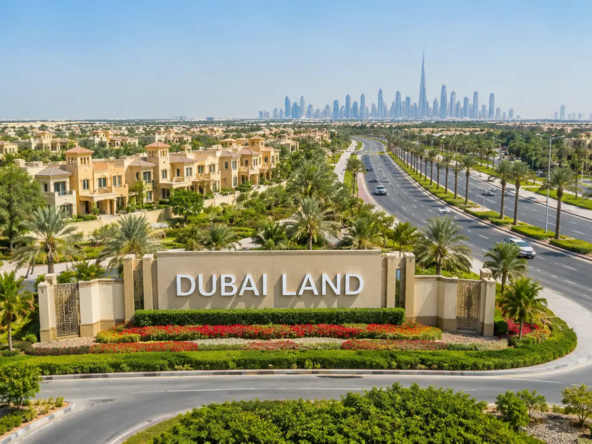
Dubai’s urban landscape is a tapestry of master-planned communities that combine modern living with cultural identity, convenience, and connectivity. Among these, Remraam stands out as a vibrant residential neighborhood rooted in Dubai’s growth story — officially registered under the Dubai Land Department (DLD) as Al Hebiah Fifth. This comprehensive guide explores how this community came to be, why it’s named the way it is, and what makes it one of Dubai’s most notable family living destinations.
What Is Al Hebiah Fifth (DLD)?
In Dubai’s official land classification system, the Dubai Land Department (DLD) assigns numeric names to areas for regulatory, planning, and registry purposes. These names — such as Al Hebiah First, Second, Third, Fourth, Fifth, and so on — help categorize land use, development plans, and governance zones across the emirate.
Specifically, Al Hebiah Fifth corresponds to the area that internationally becomes commonly known — in real estate and local discussion — as Remraam, a residential community nestled in the heart of Dubailand.
While terms like “Al Hebiah Fifth” appear in land registry documents, master planning maps, legal deeds, and official government forms, Remraam is the name used far more frequently by residents, real estate agents, and lifestyle guides due to its community identity and branding.
The Emergence of Remraam — From Desert to Neighborhood
Origin and Naming
Remraam was conceived in the mid-2000s at a time when Dubai was rapidly expanding its urban footprint to accommodate population growth and new housing needs. As part of this expansion, developers focused on creating family-friendly, affordable residential areas that were still well-connected to the city’s major hubs.
The Remraam name is believed to be derived from an Arabic word tied to nature or native plant life, evoking ideas of growth, resilience, and rooted community identity in contrast to the globe’s perception of Dubai as stark desert turned metropolis. Developers often choose such names to reflect cultural context and add a local flavor to modern developments. Although “Remraam” is not the official DLD area name — which remains Al Hebiah Fifth — the community’s name has resonated with residents and investors alike, making it the widely recognizable title for this neighborhood.
Planning and Development Timeline
Birth of the Project
Remraam was officially announced in 2007 as part of Dubai’s broader strategy to diversify housing options beyond the city center. At the time, Dubai was preparing for economic transformation, population growth, and strategic infrastructure projects. Dubailand was selected as a key focus area, earmarked to balance urban density with suburban comfort.
Phased Construction
- Phase 1 – Al Thamam:
The first cluster — known as Al Thamam — was completed and handed over to residents by 2013. It set the tone for Remraam’s identity as a peaceful, family-oriented community with modern amenities, green spaces, and affordable housing options. - Phase 2 – Al Ramth:
Following the initial success, the second phase called Al Ramth continued expansion with additional low-rise residential buildings and enhanced facilities, further solidifying Remraam’s footprint in Dubailand.
Today, Remraam includes multiple clusters of apartment buildings, community facilities, and landscaped areas, offering a self-contained living environment that appeals to both long-term residents and investors.
Why Remraam Became a Community Name
Identity and Branding
Remraam’s success as a community name over the official Al Hebiah Fifth designation is closely tied to how Dubai’s real estate ecosystem presents neighborhoods:
- Developer Branding:
Developers like Dubai Properties use market-friendly names to give personality and lifestyle connotations to projects. This helps buyers and tenants relate emotionally to the place, beyond sterile official codes. - Cultural Resonance:
Names like Remraam — with linguistic roots that evoke local heritage — resonate more deeply with residents and expatriates alike, as opposed to numeric or official codes like “Al Hebiah Fifth.” - Everyday Use:
In real estate platforms, area guides, and casual conversation, “Remraam” is used universally, enhancing SEO and search-based discoverability, whereas “Al Hebiah Fifth” mainly appears in legal documentation.
Geographical and Urban Context
Strategic Location
Remraam sits strategically in Dubailand, adjacent to major thoroughfares like Emirates Road (E611) and Hessa Street (D61), ensuring residents enjoy excellent connectivity to Dubai’s key economic and leisure hubs — including Downtown Dubai, Dubai Marina, and Dubai South.
Despite its suburban feel, it’s within a short drive of major attractions like the Expo 2020 site and entertainment destinations such as Dubai Parks & Resorts and Global Village, making Remraam appealing for everyday living and weekend leisure alike.
Urban Design and Amenities
Remraam’s master plan places a strong emphasis on lifestyle and convenience:
- Multiple low-rise residential clusters
- Numerous green spaces, landscaped parks, and jogging paths
- Community mall and retail outlets
- Sports facilities including courts and pools
- Schools, nurseries, and clinics within or near the neighborhood
This thoughtful planning enhances community cohesion and quality of life, key drivers of Remraam’s popularity.

Living in Remraam Today
Family-Friendly Environment
Remraam has become a preferred choice for families due to its balance of affordability, amenities, and community spirit. With parks, playgrounds, community centers, and safe pedestrian pathways, the neighborhood appeals to both residents with children and those seeking a quieter suburban setting.
Nearby Education and Services
Several educational institutions, such as South View School and Jebel Ali School, are easily accessible, making the area even more attractive for long-term residents with school-going children.
The presence of healthcare services, grocery stores, and retail outlets within and around Remraam also underscores its self-sufficient design.
Investment and Market Appeal
From an investment perspective, Remraam offers compelling advantages:
- Affordable entry prices relative to central Dubai markets
- Strong rental demand due to its family-friendly positioning
- Steady capital appreciation as the community matures and nearby developments add value to the region
The dual identity of the area — officially Al Hebiah Fifth and popularly Remraam — also provides search optimization benefits for property listings, covering both technical and everyday search terms.
Final Insights: Official vs. Community Identity
| Label | Usage | Importance |
| Al Hebiah Fifth | Official DLD designation | Essential for legal and registry purposes |
| Remraam | Community name | Used in marketing, everyday reference, and SEO |
Understanding both names is crucial if you’re navigating property searches, legal documents, or Dubai’s urban structure. While “Al Hebiah Fifth” appears in official land records, Remraam has become the internationally recognized name that defines the community’s identity and lifestyle appeal.
Conclusion
The story of Al Hebiah Fifth (DLD) and Remraam captures the essence of Dubai’s rise — from strategic master planning and smart branding to an integrated community that resonates with families and investors alike. Whether you’re searching for a place to call home or studying Dubai’s urban evolution, Remraam represents how thoughtful planning and cultural identity can shape a neighborhood’s legacy.
Disclaimer:
The information provided in this blog post is for general informational purposes only and does not constitute legal, financial, or investment advice. Le Nest Properties and its website do not assume any responsibility or liability for decisions made based on this content. If you are considering investing in Dubai real estate, we strongly recommend consulting with a qualified specialist or contacting us directly for personalized guidance.