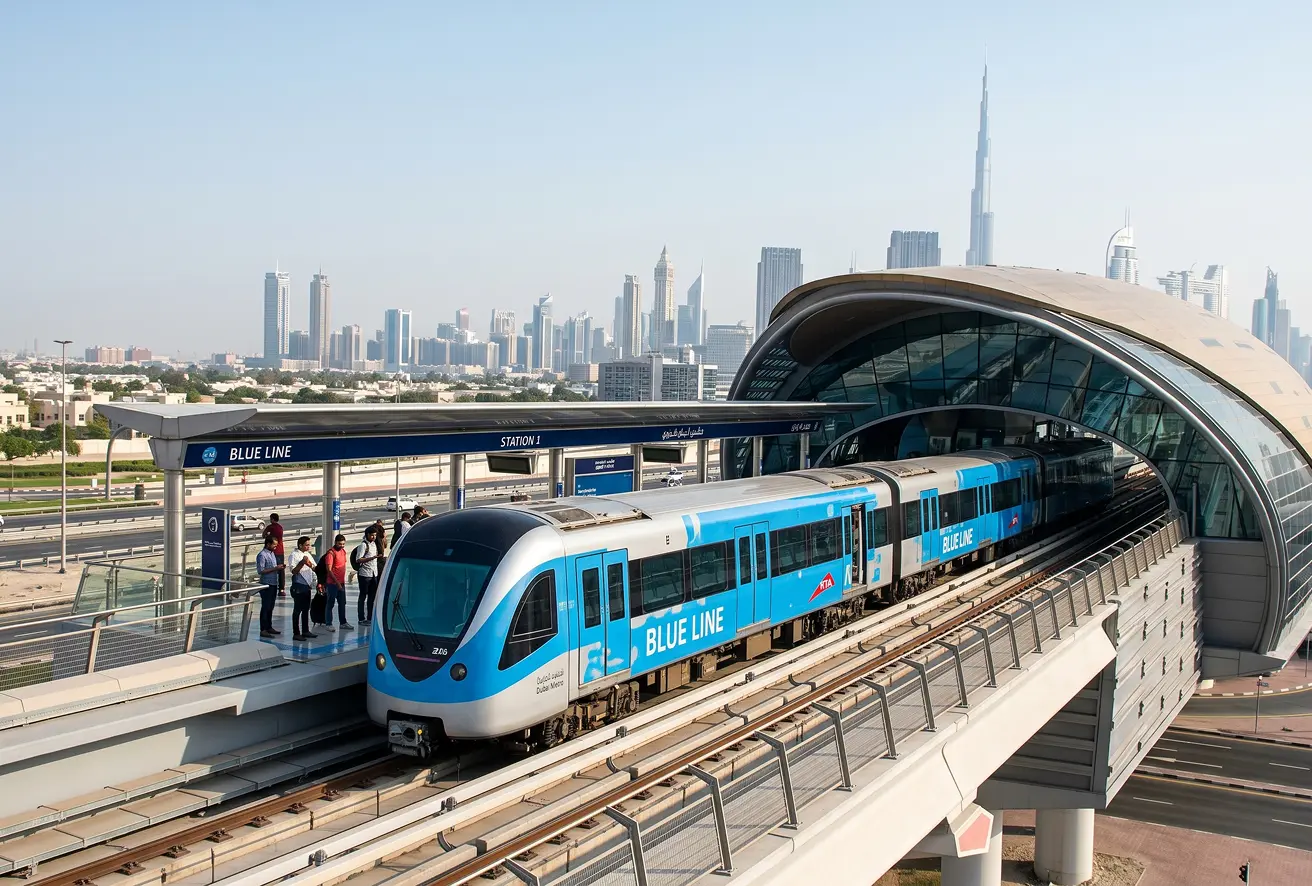
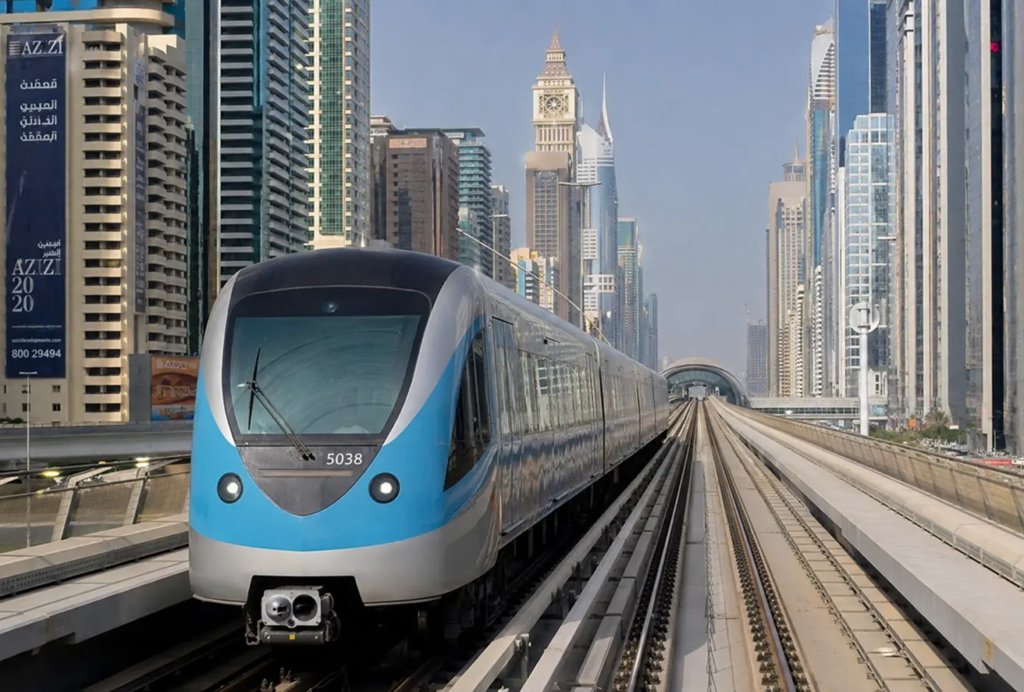
Dubai has an ability for turning desert sand into gold, and if history is any guide, the Dubai Metro Blue Line is the next chapter in that story.
As of June 2026, the project is officially 20% complete. With tunnel boring machines now deep underground and construction crews working across the eastern corridor, the “blueprint” phase is over. We are now in the “acceleration” phase, where the market begins to price in the future reality of a connected Dubai.
Why Metro Connectivity Drives Property Prices
In every major global city, transportation infrastructure has a direct influence on real estate performance. The reason is simple: people place a premium on convenience. Properties located near reliable public transit typically attract a larger pool of buyers and tenants, resulting in stronger demand, lower vacancy rates, and improved long-term value retention. The Dubai Metro Blue Line is expected to create this effect across several emerging communities by reducing travel times, improving accessibility to business districts, educational institutions, and airports, and enhancing the overall quality of life for residents. As connectivity improves, areas that were once considered peripheral can quickly evolve into highly desirable residential and investment destinations.
Why the Blue Line is Different
Unlike previous extensions, the Blue Line isn’t just adding a few stops, it’s bridging a massive gap. It connects nine major districts that currently rely almost exclusively on cars to the city’s high-speed rail spine.
For an investor, this represents a classic “infrastructure arbitrage”: buying in areas where the current price reflects car-dependency, but the future value will reflect urban accessibility.
The Investment Timeline (2026–2029)
Real estate wealth in Dubai isn’t made when the ribbon is cut. It’s made while the cranes are still turning. We are currently in the “Institutional Re-rating” window.
Phase 1: Discovery (Completed)
2024–2025
Project announcement and initial ground-breaking. Early adopters entered at baseline prices.
Phase 2: Construction Maturity (Current)
2026
The project hits the 30% completion milestone by year-end. Markets begin to formalize price premiums for proximity to stations.
Phase 3: The FOMO Curve
2027–2028
Visible progress viaducts rise and test tracks are laid. Speculative demand surges as the 20-minute commute to the airport becomes a reality.
Phase 4: Operational Reality
2029
Launch day (Sept 9). Rental yields stabilize, and properties shift from “growth assets” to “prime income generators.”
The “Gold Rush” Corridors: Where to Look
Not all stations are created equal. The Blue Line is a “Y-shaped” network, creating two distinct investment profiles:
1. The High-Growth Corridor (Creek to Academic City)
This route targets the “new professional” demographic.
- Dubai Creek Harbour: The flagship destination. With the planned Emaar Properties Station (set to be the world’s tallest metro station), this area is rapidly cementing itself as a luxury hub.
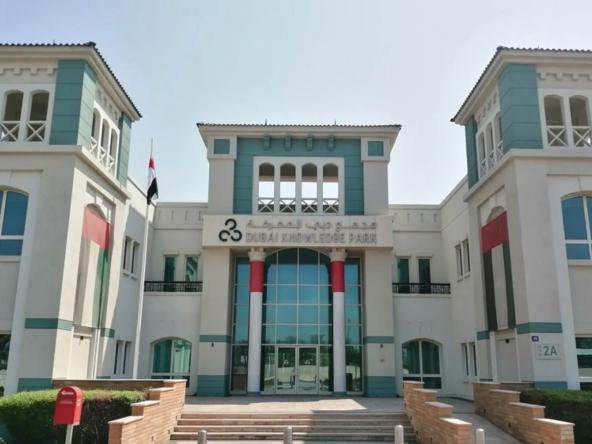
- Dubai Silicon Oasis (DSO): A tech and education powerhouse. As the metro arrives, DSO is expected to transition from a “commuter suburb” to a high-demand residential core for the city’s creative and tech talent.
2. The Value Corridor (Centrepoint to International City)
This route is for the “smart yield” investor, where entry prices are lower but rental demand is absolute.
- International City: With three dedicated stations, this area will see the most drastic change in tenant quality. It’s moving from an affordable enclave to a highly accessible neighborhood for thousands of workers.
- Mirdif & Al Warqa: Established family communities that have long suffered from traffic congestion. The metro provides a “relief valve,” making these areas significantly more attractive for long-term family tenancies.
3 Rules for Blue Line Investing
Before you sign that SPA (Sales and Purchase Agreement), remember that not every property near a station is a winner. Follow the “800-Meter Rule”:
- The Sweet Spot: Properties within a 500m to 800m walk of a station command the highest premiums. Anything beyond a 15-minute walk loses the “metro-convenience” rental advantage.
- Check the Connectivity: Don’t just look at the station; look at the interchange. Stations like International City 1 (the Y-junction) act as major transit hubs, naturally concentrating retail and foot traffic.
- Developer Track Record: In a construction boom, projects can face delays. Prioritize reputable developers with proven delivery timelines to ensure your asset is ready when the trains start running in 2029.
Investor Takeaway
✔ Focus on properties within 500–800 meters of future stations
✔ Prioritize communities with strong population and employment growth
✔ Consider both capital appreciation and rental yield potential
✔ Invest with reputable developers that have a proven delivery record
✔ Take a long-term view as the strongest gains often occur before project completion
The Bottom Line:
The Dubai Metro Blue Line is set to reshape how people live, work, and travel across the city. As connectivity improves, communities such as Dubai Creek Harbour, Dubai Silicon Oasis, International City, Mirdif, and Al Warqa are expected to benefit from stronger demand and long-term value growth.
For investors, the greatest opportunity may lie in entering the market before the Blue Line becomes fully operational in 2029 and its impact is reflected in property prices.
Disclaimer:
The information provided in this blog post is for general informational purposes only and does not constitute legal, financial, or investment advice. Le Nest Properties and its website do not assume any responsibility or liability for decisions made based on this content. If you are considering investing in Dubai real estate, we strongly recommend consulting with a qualified specialist or contacting us directly for personalized guidance.